
Hollow cheeks can be improved by restoring lost volume or strengthening cheek structure. The right option depends on the cause: dermal fillers can provide an in-office correction, facial fat transfer can restore broader volume with your own tissue, facial implants can add projection, and facelift surgery may be more appropriate when loose or descended tissue is also present.
If you are deciding how to fix hollow cheeks, first separate volume loss from loose skin and limited cheekbone projection. That distinction helps guide whether facial fillers, fat transfer, cheek implants, surgery, or a combination makes the most sense.
What Causes Hollow Cheeks?
Hollow cheeks develop when the face loses volume or structural support, creating a sunken appearance beneath the cheekbones. While some people naturally have hollow cheeks due to genetics, others notice them after significant weight loss or as part of the aging process.
Not sure what procedure is right for you?
Get clear, personalized guidance based on your goals, anatomy, recovery timeline, and whether surgery or a nonsurgical treatment makes the most sense.
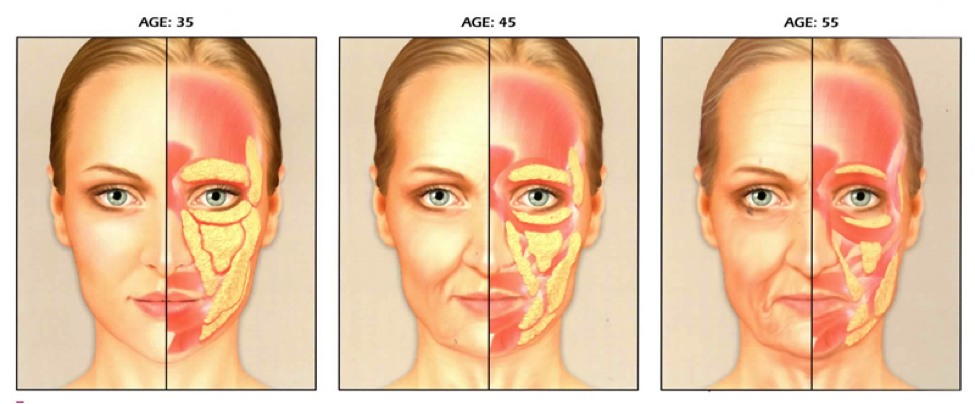
As we age, facial fat, soft tissue, and even the underlying facial bones gradually lose volume. At the same time, the remaining tissues descend, leading to hollow cheeks, deeper smile lines, marionette lines, jowls, and a less defined jawline. These changes can make the face appear tired, gaunt, or older than it feels.
Modern facial rejuvenation focuses on more than simply tightening skin. Today, treatment often involves restoring lost volume while repositioning tissues to recreate youthful facial contours. Depending on the cause and severity of hollow cheeks, treatment options may include dermal fillers, facial fat transfer, facial implants, or a combination of volume restoration and facelift surgery.
The American Society of Plastic Surgeons describes cheek augmentation options that include injectable fillers, fat grafting, and cheek implants. The most appropriate approach depends on facial structure, the pattern of volume loss, tissue laxity, goals, and tolerance for recovery.
How To Fix Hollow Cheeks
The best treatment for hollow cheeks depends on the underlying cause of the volume loss.
- Mild hollowing may be improved with injectable dermal fillers.
- Moderate volume loss often responds well to facial fat transfer.
- Patients with significant facial aging, jowls, or loose skin may benefit from a combination of volume restoration and a facelift.
- Patients with naturally weak cheekbone projection may benefit from facial implants.
Because every face ages differently, treatment should be customized to restore balance and proportion while maintaining a natural appearance.
Facial Implants
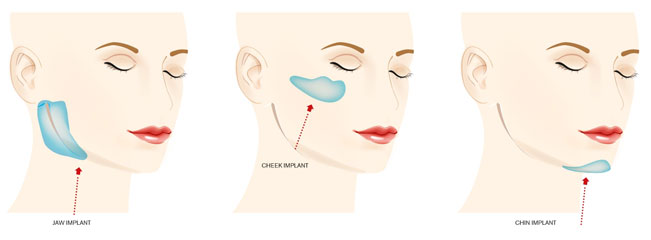
The appearance of the cheeks and midface is influenced by both the facial bones and the overlying soft tissues. In some patients, hollow cheeks are caused in part by limited cheekbone projection or age-related changes to the facial skeleton.
Facial implants can enhance the underlying structure of the face by increasing projection of the cheeks and midface. By strengthening the facial framework, implants can create improved contour and support for the overlying soft tissues.
Facial implants are often combined with soft tissue augmentation such as facial fat transfer to provide a more comprehensive correction of hollow cheeks and restore facial harmony.
Facial Fat Transfer
Facial fat transfer is one of the most effective ways to restore volume to hollow cheeks using your own tissue. The procedure involves harvesting fat from an area such as the abdomen or thighs through a small liposuction procedure. The fat is then processed and carefully injected into areas of volume loss within the face.
By restoring volume to the deep fat compartments of the cheeks, fat transfer can create a fuller, softer, and more youthful facial appearance. Because the transferred fat comes from your own body, it feels natural and integrates with the surrounding tissues.
Fat transfer is commonly performed as a standalone procedure or combined with facial rejuvenation procedures such as a facelift, neck lift, or blepharoplasty to address both volume loss and tissue descent.
Dermal Fillers For Hollow Cheeks
For patients seeking a non-surgical solution, dermal fillers can restore volume to hollow cheeks with little downtime. Fillers are injectable gels designed to replace lost volume, soften facial folds, and improve facial contours.
Depending on the treatment goals, fillers may be placed in the cheeks, temples, under-eye area, smile lines, marionette lines, or jawline. Strategic placement can create a more youthful and balanced appearance while preserving natural facial movement.
Dermal filler treatment is a medical procedure. The FDA notes that uncommon but serious complications can occur if filler enters a blood vessel, making detailed knowledge of facial anatomy, careful injection technique, and a plan for recognizing and treating complications important.
Many modern fillers are based on hyaluronic acid, a naturally occurring substance that attracts water and helps maintain skin hydration and volume. Different filler formulations are designed for different depths and treatment areas. Some are used to restore structural support in the cheeks, while others are designed for more superficial contour refinement.
While fillers can produce excellent results for many patients, more significant volume loss may be better addressed with facial fat transfer or surgery. During consultation, the most appropriate treatment can be determined based on facial anatomy, degree of aging, and aesthetic goals.
Before And After Hollow Cheek Treatment
Patients with hollow cheeks often benefit from a combination of volume restoration and facial rejuvenation procedures. Depending on the degree of volume loss and skin laxity, treatment may involve fillers, facial fat transfer, facial implants, facelift surgery, or a customized combination approach.
View our before and after gallery to see examples of facial rejuvenation procedures performed at DeLuca Plastic Surgery.
Frequently Asked Questions About Hollow Cheeks
Why do cheeks become hollow with age?
As we age, facial fat compartments shrink and descend while the facial bones gradually lose volume. Together, these changes create a sunken appearance in the cheeks and midface.
Can weight loss cause hollow cheeks?
Yes. Significant weight loss can reduce facial fat and make the cheeks and temples appear more hollow, particularly in naturally thinner individuals.
Are fillers good for hollow cheeks?
Dermal fillers are often an excellent option for mild to moderate hollowing and can restore volume with minimal downtime.
Is fat transfer better than fillers?
Fat transfer and fillers each have advantages. Fat transfer uses your own tissue and may provide longer-lasting correction, while fillers can be performed in the office and require little recovery time.
What is the best treatment for hollow cheeks?
The best treatment depends on the cause and severity of the volume loss. Some patients benefit from fillers alone, while others achieve the most natural result through facial fat transfer, facelift surgery, or a combination of procedures.
Hollow Cheek Treatment In Albany, NY
At DeLuca Plastic Surgery in Albany, NY, treatment of hollow cheeks begins with identifying the underlying cause of facial volume loss. Whether the solution involves fillers, facial fat transfer, implants, or facelift surgery, the goal is always the same: restoring youthful facial balance while maintaining a natural appearance.
For general fee ranges, visit our plastic surgery pricing page. Final recommendations and pricing depend on the treatment selected and the individual plan developed after evaluation. To discuss your options, request a consultation.

