

Gynecomastia Surgery in Albany NY
Gynecomastia Surgery in Albany NY
A Flatter, More Masculine Chest Contour.
Gynecomastia surgery, also called male breast reduction, reduces excess glandular breast tissue, fatty tissue, or puffy fullness around the nipple to create a flatter, more defined chest contour. The right plan depends on whether the fullness is caused by gland, fat, loose skin, or a combination.
Puffy nipples, enlarged male breast tissue, chest fullness, or contour concerns that do not improve with weight loss.
Glandular tissue, localized fat, nipple fullness, and selected skin laxity.
Liposuction, gland excision, or a combined male breast reduction approach.
Fat can often be reduced with liposuction. Firm breast tissue usually needs to be removed surgically (gland excision).
Real Patient Results
What this gynecomastia before-and-after shows.
Gynecomastia results are usually about chest shape, nipple fullness, contour, and proportion. Before-and-after photos help patients understand what may change when glandular tissue, fat, or both are treated.
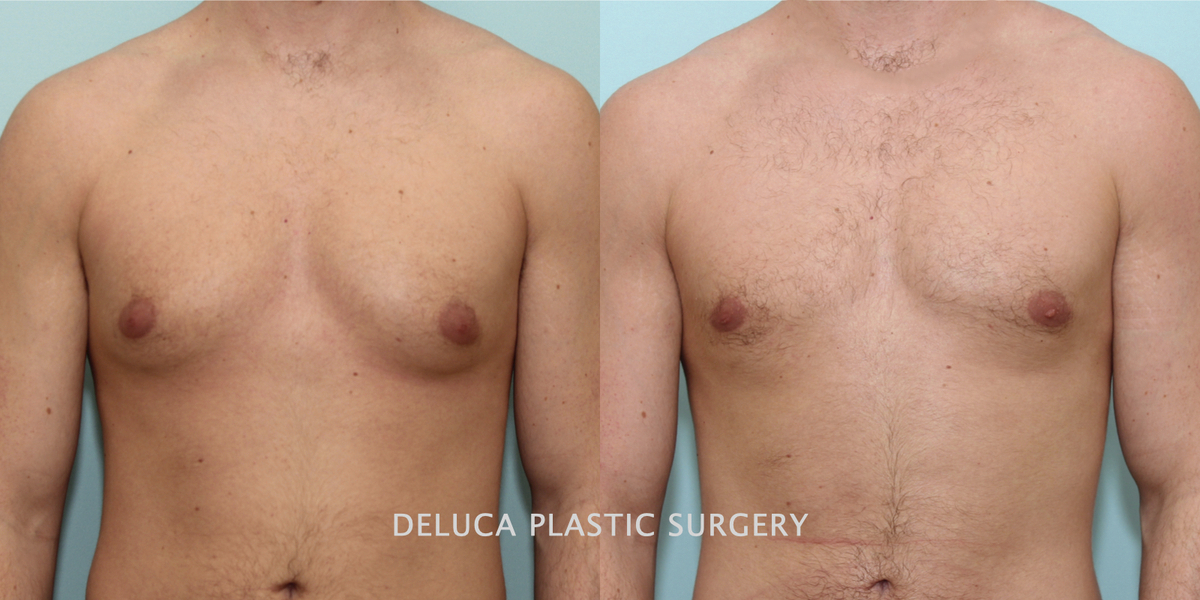
Chest Contour
The chest can look flatter and more masculine after excess glandular tissue and/or fat is reduced.
Nipple Fullness
Puffy nipple fullness may improve when firm tissue behind the areola is reduced.
Proportion
The goal is a natural chest shape that fits the torso — not an overly hollow appearance.
What to notice:
The most important change is the relationship between the nipple and surrounding areola, chest wall, and surrounding torso contour.
Gynecomastia Surgery Patient Reviews
Selected patient experiences shared on Google and RealSelf.
Exceeded expectations
“Exceeded Expectations”
Questions answered and results appreciated
“They answered all my questions. They made it very easy to set up appointments. I really like my end results.”
A reassuring surgical experience
“My experience with Dr. Tauber has been fantastic!”
Selected excerpts. Individual experiences, recovery, and results vary. See all patient reviews.
In Their Own Words
Gynecomastia experiences shared on Reddit.
Read personal accounts of gynecomastia surgery, see photographs shared by the authors, and explore their conversations with other people considering treatment.
u/Otherwise_Aioli_9325
Before-and-after photographs and a discussion of surgery after living with gynecomastia for years.
Read the Reddit discussion ↗u/JisRad
A firsthand account of surgery with Dr. Tauber, including early recovery, photographs, and answers to community questions.
Read the Reddit experience ↗These links open public discussions on Reddit and may include surgical photographs. Individual experiences and results vary. Any prices mentioned reflect the author’s experience at the time of posting; visit our pricing page for current estimates.
Your Options
Liposuction, gland excision, or combined gynecomastia correction.
Gynecomastia surgery is not one-size-fits-all. Dr. David Tauber bases the surgical plan on whether the concern is fat, glandular tissue, puffy nipples, loose skin, or overall chest proportion.
Liposuction Only
May help when the main issue is fatty chest fullness and the skin has enough elasticity to contract.
Gland Excision
Removes firm breast tissue behind the nipple and surrounding areola when it causes puffiness or fullness.
Combined Approach
Many patients benefit from both liposuction and direct gland reduction for a smoother chest contour.
Skin Reduction
May be needed after major weight loss or when excess skin prevents the chest from tightening adequately.
Typical Investment Range
How much does gynecomastia surgery cost?
Gynecomastia pricing depends on whether treatment involves liposuction, gland excision, skin reduction, anesthesia, facility fees, garments, prescriptions, and the complexity of the surgical plan.
Estimated Total Surgical Cost
$6,310–$12,760+
This planning range generally includes the surgeon fee plus the corresponding facility and anesthesia estimate. Actual anatomy, technique, setting, supplies, and combined procedures may change the total.
Possible Lowest Cherry Payment*
$145–$290/month for 60 months*
This calculator example is based on the entire displayed cost; it is not an offer or guarantee.
Personalized Quote
Provided after consultation
Your written estimate will reflect the surgical plan, anesthesia, facility setting, compression, and whether additional procedures are included.
*Possible monthly payments are calculator examples using the entire displayed cost. Actual approval, down payment, interest rate, term, fees, monthly payment, and total repayment are determined by Cherry and may differ. Not all applicants qualify.
Recovery Timeline
What to expect after gynecomastia surgery.
Recovery depends on whether liposuction, gland excision, or skin reduction is performed. Most patients wear compression after surgery to help control swelling and support the chest while healing.
Swelling, bruising, soreness, compression vest use, incision care, and early follow-up.
Many patients return to light activity depending on the extent of surgery and comfort.
Exercise, lifting, and chest workouts resume only when cleared.
Swelling continues to settle and the final chest contour becomes more defined.
Honest Guidance
When gynecomastia surgery may need more planning.
Gynecomastia surgery can be effective for the right patient, but good planning means being honest about causes, weight stability, medication or hormone factors, scars, skin quality, and realistic expectations.
Who may need medical evaluation first?
Patients with sudden breast enlargement, pain, nipple discharge, medication-related changes, hormone concerns, testicular symptoms, or other unusual findings may need medical evaluation before cosmetic surgery.
Tradeoffs to consider
Gynecomastia surgery may involve scars, swelling, compression, contour irregularity, sensation changes, asymmetry, and possible revision.
When surgery may not be worth it
If fullness is mild, weight is unstable, expectations are unrealistic, or the main issue is temporary weight-related fat, waiting or weight stabilization may be better.
The goal is not maximum tissue removal.
The best result usually comes from reducing enough tissue to flatten the chest while preserving a natural contour under the nipple and surrounding areola.
Risk Transparency
Risks and considerations.
Gynecomastia surgery requires careful tissue removal to avoid contour problems around the nipple and surrounding areola.
- Bleeding or hematoma: Chest procedures can develop bleeding or fluid collection that may require treatment.
- Delayed healing: Incision care, activity restrictions, and follow-up help reduce wound-healing problems.
- Scarring: Scars are usually placed around the areola or through small access sites, but scar quality varies.
- Contour irregularity: Unevenness, indentation, or residual fullness can occur.
- Sensation changes: Temporary or longer-term nipple or chest numbness can occur.
- Asymmetry: Some difference between sides may remain because no chest is perfectly symmetric.
- Revision surgery: Revision may be needed for residual gland, contour irregularity, scar concerns, or asymmetry.
Related Procedures
Procedures commonly compared with gynecomastia surgery.
Gynecomastia correction is often compared with liposuction or breast reduction techniques, depending on whether the issue is fat, gland, skin, or a combination.
Liposuction
May help when the main issue is fatty chest fullness and skin quality is good.
Learn about liposuction →Breast Reduction
Some gynecomastia cases with significant tissue or skin excess use modified breast reduction principles.
Learn about breast reduction →Male Body Contouring
Chest contour may be considered alongside abdomen, flank, or waist contouring for better torso balance.
Learn about body contouring →Transgender Top Surgery
Different goals and techniques may apply for gender-affirming chest surgery.
Learn about top surgery →Clear, Honest Guidance
Gynecomastia Surgery FAQ
What is gynecomastia?
Gynecomastia is enlargement of male breast tissue. It may involve firm glandular tissue behind the nipple and surrounding areola, fatty tissue, loose skin, or a combination.
How much does gynecomastia surgery cost?
Gynecomastia surgery is currently estimated at $6,310–$12,760+ as a planning range that generally includes the surgeon fee plus the corresponding facility and anesthesia estimate. Actual anatomy, technique, setting, supplies, and combined procedures may change the total. Visit the pricing page for current guidance.
Do I need liposuction or gland excision?
Liposuction may be enough when the concern is mostly fat. Firm breast tissue behind the nipple and surrounding areola usually needs to be removed surgically. Many patients need a combined approach.
Can gynecomastia surgery fix puffy nipples?
Yes, puffy nipples often improve when firm glandular tissue behind the areola is reduced. The surgical plan must preserve enough tissue to avoid a hollow or cratered contour.
Will I have scars after gynecomastia surgery?
Scars depend on the technique. Incisions are often placed around the areola or through small liposuction access points. Patients with significant loose skin may need longer incisions.
How long is gynecomastia recovery?
Recovery varies, but many patients return to light activity within one to two weeks. Exercise, lifting, and chest workouts resume only when cleared by the surgeon.
Can gynecomastia come back?
Recurrence is uncommon when glandular tissue is adequately treated, but weight gain, medications, substances, hormones, or untreated underlying causes can affect the result.
Is gynecomastia surgery a weight loss procedure?
No. Gynecomastia surgery is a chest contouring procedure. If the main issue is excess body fat, weight stabilization may be recommended before surgery.

