Facelift and Necklift in Albany NY
Tri-Harmony Face & Neck Lift in Albany NY
Natural-Looking Facelift in Albany NY Without the Pulled Look.
The Tri-Harmony Face & Neck Lift is Dr. David Tauber’s refined approach to facelift surgery in Albany NY. It focuses on the areas patients usually notice most: jowls, jawline softness, neck laxity, and lower-face heaviness. The goal is a cleaner, more supported face and neck — without making you look pulled, over-tightened, or like someone else.
Best For
Jowls, neck laxity, softened jawline definition, and lower face descent.
Focus
Deeper support first, then careful skin redraping — not a tight skin pull.
Anesthesia
Office-based local anesthesia may be possible for selected patients.
Often Combined With
Eyelid surgery, neck liposuction, facial fat grafting, or laser resurfacing.
Key Takeaways
It is not just skin tightening
A natural facelift depends on supporting deeper tissues first, then letting the skin settle without excessive tension.
Not sure what you need?
Dr. Tauber looks at whether the main issue is jowling, neck laxity, volume loss, eyelid aging, or skin quality before recommending a plan.
The goal is refreshed, not changed
Tri-Harmony planning focuses on jawline definition, neck contour, and facial balance while preserving your natural identity.
Real Patient Results
What this facelift before-and-after shows.
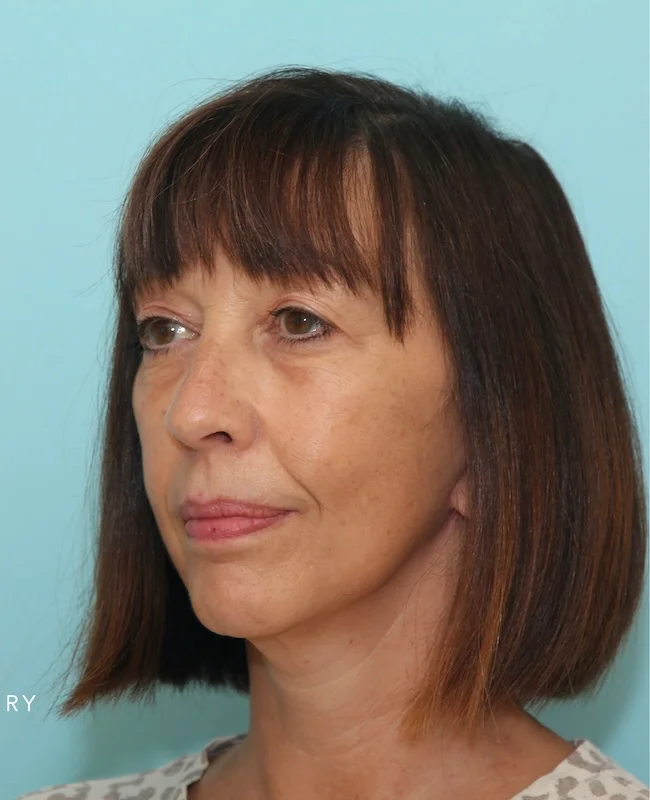
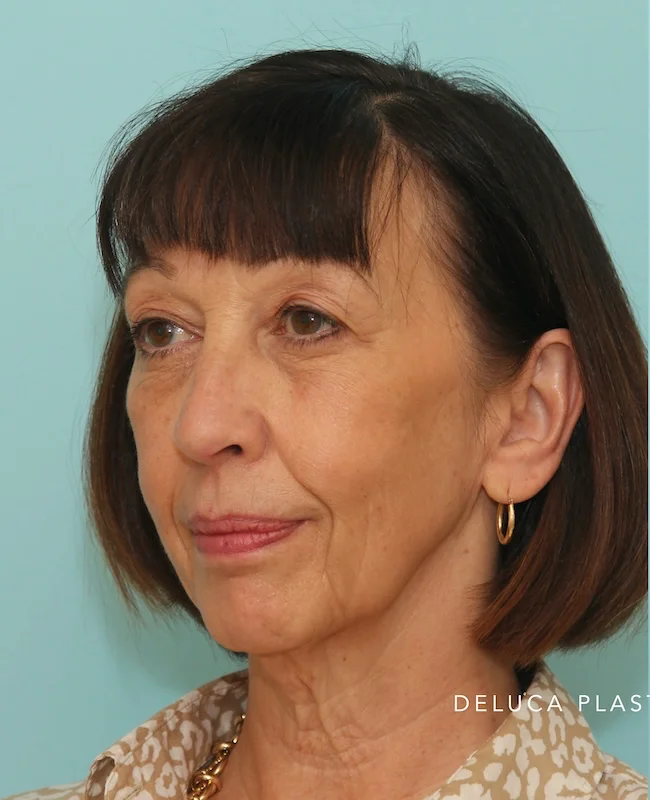
This example shows the kind of lower face and neck improvement patients are usually hoping for: a cleaner jawline, better neck definition, and a more rested lower face. The point is not to look like a different person. The point is to look more supported, more defined, and still like yourself.
Contour
Improvement is focused on the jawline, jowls, and neck transition rather than simply tightening skin.
Skin
Skin is redraped after deeper support is restored, helping reduce the tight or wind-swept look.
Proportion
The result should look balanced with the face, not overly tight, artificial, or overcorrected.
What to notice: the cleaner jawline, improved neck definition, and more rested lower face — without changing the patient’s basic facial character.
Your Consultation
How Dr. Tauber decides whether a facelift is the right move.
A facelift consultation is not just a “yes or no” conversation about surgery. It is meant to identify what is actually creating the aged, heavy, or tired appearance. Some patients have jowling and neck laxity that are best treated with a face and neck lift. Others have eyelid heaviness, skin texture changes, facial hollowing, or fullness under the chin that may need a different plan.
During consultation, Dr. Tauber evaluates the jawline, neck angle, skin quality, facial volume, cheek and lower-face support, incision options, anesthesia preferences, recovery timeline, and whether combined procedures would create a more complete result.
For patients comparing a surgical facelift with non-surgical facial rejuvenation — or with commercial body-contouring brands such as Sono Bello — this is where the conversation becomes clearer. The question is whether the problem is skin, fat, deeper tissue descent, neck contour, or a combination.
Compare Your Options
Not every face and neck concern needs the same solution.
Patients often come in asking for a facelift, neck lift, laser treatment, or fillers — but the right choice depends on what is actually causing the concern. These pathways can help you compare the most common decision points before consultation.
Facelift vs. Neck Lift
If jowls and lower-face heaviness are part of the issue, a face and neck lift may be more complete. If the concern is mainly below the chin, a neck-focused approach may be enough.
Facelift vs. Laser Resurfacing
A facelift improves laxity, jowls, and neck contour. Laser resurfacing improves texture, fine lines, pigment, and sun damage. Some patients benefit from both.
Facelift vs. Fillers
Fillers may help selected volume loss, but they do not lift loose skin or restore deeper jawline support. Overfilling can sometimes make lower-face heaviness worse.
Facelift vs. Eyelid Surgery
If the lower face looks aged but the eyes still look tired, eyelid surgery may be part of the plan. If the concern is only upper-eye heaviness, a facelift may not be necessary.
Jawline Heaviness vs. Chin Fullness
Some patients need deeper lifting. Others mainly have fullness under the chin that may respond to neck liposuction if skin quality is good.
In-Office vs. Operating Room
Selected patients may be candidates for an office-based local anesthesia approach, while others are better served in an operating room depending on anatomy and comfort level.
Your Options
Facelift, neck lift, limited lift, or combined facial rejuvenation.
Facial rejuvenation is not one-size-fits-all. The right plan depends on whether your main concern is jowls, loose neck skin, fullness beneath the chin, eyelids, skin texture, facial hollowing, or overall facial balance.
Tri-Harmony Face & Neck Lift
Best for meaningful lower face, jawline, and neck laxity requiring deeper support.
Limited or Short-Scar Lift
May fit selected patients with earlier jowling or more focused lower face concerns.
Neck Lift or Neck Liposuction
May be considered when the neck is the dominant concern, depending on skin laxity and fat distribution.
Eyelid Surgery
Often paired with facelift surgery when the eyes still look tired after lower face rejuvenation.
Facial Fat Grafting
May help when facial hollowing or volume loss contributes to an aged appearance.
Laser Resurfacing
Improves texture, fine lines, pigment, and sun damage that a facelift does not directly correct.
Typical Investment Range
How much does a facelift cost in Albany NY?
Facelift pricing depends on the amount of correction needed, whether the procedure is performed in-office or in an operating room, anesthesia choice, surgical time, and whether procedures such as eyelid surgery, neck liposuction, facial fat grafting, or laser resurfacing are included.
Because the Tri-Harmony Face & Neck Lift may be performed under local anesthesia in the office for selected patients, some patients may avoid separate facility and anesthesia charges that can apply to traditional operating-room facelift procedures.
After consultation, you will receive a personalized estimate based on your anatomy, goals, anesthesia plan, and surgical approach.
Recovery Timeline
What to expect after a facelift.
Recovery varies depending on the extent of surgery and whether additional procedures are performed. Many patients experience swelling, bruising, tightness, and temporary numbness during early healing. Most patients plan for about two weeks of social downtime, with refinement continuing over several months.
First Week
Rest, head elevation, incision care, and early follow-up visits are the priority.
Weeks 2–3
Bruising and swelling improve. Many patients feel more comfortable returning to social routines.
Weeks 4–6+
Exercise and more strenuous activity resume only when Dr. Tauber clears you.
Months Later
Swelling settles, scars mature, and facial contours continue to soften and refine.
Recovery Questions Patients Actually Ask
Driving, hair washing, exercise, swelling, tightness, and scars.
Many patients want more than a general recovery timeline. They want to know what is normal day-to-day, when they can resume specific activities, and which symptoms usually improve gradually as swelling settles.
When can I drive?
Many patients resume driving once they are off prescription pain medication, feel alert, and can comfortably turn the neck enough to drive safely.
When can I wash my hair?
Hair washing instructions depend on incision location, dressings, and early healing. Gentle washing is usually reviewed at the first postoperative visits.
When can I sleep flat?
Head elevation is usually helpful early. Sleeping position is adjusted as swelling improves and Dr. Tauber clears you.
How long does tightness last?
Tightness, firmness, and pulling sensations are common early and usually soften gradually over weeks to months.
Is numbness normal?
Temporary numbness or altered sensation around the cheeks, ears, jawline, or neck can occur and often improves as healing progresses.
When do scars fade?
Scars mature over many months. Sun protection, careful incision care, and scar guidance can help support better healing.
What a Facelift Fixes — and What It Does Not
Different treatments improve different layers of facial aging.
A facelift improves tissue descent, jowls, neck laxity, and jawline definition. It does not directly improve every layer of facial aging. Laser resurfacing improves skin texture and pigment. Fillers restore selected volume loss. Botox or other wrinkle relaxers treat motion lines. Skincare supports long-term skin quality and barrier health.
Facelift
Improves jowls, neck laxity, lower-face heaviness, and deeper tissue descent.
CO2 Laser
Improves texture, fine lines, sun damage, crepey skin, and surface aging.
Fillers & Fat Grafting
Improve selected volume loss but do not directly lift loose skin or restore jawline support.
Wrinkle Relaxers
Relax motion lines caused by muscle activity but do not tighten lax tissue.
IPL & Redness Treatments
May help redness, visible vessels, and pigment concerns that lifting surgery does not directly improve.
Skincare
Supports hydration, pigment balance, barrier repair, and long-term maintenance.
Skin Quality & Long-Term Maintenance
How patients maintain facelift results over time.
A facelift can create long-lasting structural improvement, but facial aging continues naturally. Long-term maintenance often includes skin protection, physician-guided skincare, healthy weight stability, laser or light-based treatments, and selected injectables when appropriate.
Sun Protection
Daily sunscreen helps reduce collagen breakdown, pigmentation, and accelerated skin aging.
Skincare
Barrier support, hydration, pigment control, and antioxidant care can help maintain skin quality.
Laser Maintenance
CO2 resurfacing or light-based treatments may help improve texture, tone, redness, and sun damage.
Weight Stability
Major weight changes can affect facial fullness, neck contour, and long-term balance.
Why Patients Choose DeLuca Plastic Surgery
Facial judgment, deep tissue support, and natural-result planning.
At DeLuca Plastic Surgery, facelift planning is led by Dr. David Tauber, a board-certified plastic surgeon focused on natural facial rejuvenation, deep tissue support, and honest procedure selection. Facelift surgery is not simply about tightening skin. It requires judgment about facial anatomy, scar placement, neck contour, skin quality, and whether less surgery may actually be the better choice.
Board-Certified Plastic Surgeon
Facelift planning and surgery are led by Dr. David Tauber at DeLuca Plastic Surgery in Albany, NY.
Natural-Result Philosophy
The goal is a refreshed appearance — not a tight, pulled, or obviously surgical look.
Tri-Harmony Planning
A lower face and neck lift approach focused on face, jawline, and neck balance.
Clear Guidance
Options are reviewed honestly, including when non-surgical or limited approaches may be enough.
Plan Your Next Step
Compare results, pricing, and your options.
If you are comparing a facelift, neck lift, laser resurfacing, eyelid surgery, or non-surgical facial rejuvenation, start with the path that best matches where you are in the decision process.
Patient Perspective
What patients often say mattered most.
Most facelift patients are not trying to look different. They want to look less tired, more defined, and more like themselves again. These are the types of concerns that often guide the consultation.
“I wanted my jawline and neck back, but I did not want to look pulled.”
Natural appearance
“I wanted to know if I needed a facelift or if laser, eyelid surgery, or fillers would be enough.”
Right procedure
“I was worried about scars, downtime, and whether people would know I had surgery.”
Recovery confidence
Still deciding between a facelift and less invasive options?
A photo review can help clarify whether your main issue is jowling, neck laxity, volume loss, eyelid heaviness, or skin quality.
Common Patient Concerns
What patients usually worry about before a facelift.
Patients are often not just asking whether a facelift can improve the face and neck. They are asking whether they will look natural, how visible the scars will be, how much downtime to expect, and whether surgery is the right level of intervention.
Scarring
Incisions are planned around natural contours when possible, and scar care is reviewed during recovery.
Downtime
Most patients plan around visible swelling and bruising, usually with social downtime of about two weeks.
Drains
Drains may or may not be used depending on the surgical plan and Dr. Tauber’s judgment.
Natural Shape
Deep tissue support helps avoid relying on tight skin pull alone.
Local Anesthesia
In-office local anesthesia may be possible for selected patients, but not every case is best handled that way.
Right Procedure
Some patients need a lift; others need eyelid surgery, resurfacing, fat grafting, neck liposuction, or non-surgical treatment.
Honest Guidance
When a facelift may not be the right choice.
A Tri-Harmony Face & Neck Lift can be very powerful for the right patient, but it is not the answer for every facial aging concern. Dr. Tauber’s planning process is meant to be direct about what surgery can improve, what it cannot fix, and when a less invasive option may be smarter.
Who may not be a good candidate?
Patients with significant medical risks, active nicotine use, unrealistic expectations, very mild laxity, or concerns mainly related to skin texture or volume loss may need another plan.
Tradeoffs to consider
A facelift involves incisions, swelling, bruising, scar maturation, activity restrictions, and the normal risks of surgery.
When surgery may not be worth it
If your concerns are mild or mostly skin-quality related, laser resurfacing, injectables, eyelid surgery, neck liposuction, or waiting may make more sense.
Not Sure Yet?
Get a clear recommendation before you commit.
If you are unsure whether a facelift is worth it, whether a neck lift would be enough, or whether a non-surgical option makes more sense, start with a consultation or photo review.
Risk Transparency
What can go wrong — and how we plan for it.
Every facelift carries risk. The goal is not to gloss over those risks, but to reduce them through careful patient selection, thoughtful surgical planning, appropriate anesthesia choice, and close follow-up during healing.
Bleeding or Hematoma
Blood pressure control, careful technique, activity limits, and early follow-up help reduce and identify this risk.
Scarring
Incisions are placed carefully, but scar healing depends on anatomy, biology, and aftercare.
Numbness or Sensation Change
Temporary numbness and tightness are common and often improve as swelling settles.
Asymmetry
Faces are naturally asymmetric. Surgery aims for improvement and balance, not mirror-image perfection.
Delayed Healing
Nicotine use, medical issues, tension, and tissue quality can affect incision healing.
Revision Possibility
Most patients heal well, but touch-ups or revisions may occasionally be considered after tissues settle.
Related Procedures
Other facial rejuvenation options to compare.
Facial aging is layered. Some patients need a lower face and neck lift, while others benefit from eyelid surgery, neck contouring, skin resurfacing, or volume restoration.
Neck Lift
Focuses on neck laxity, contour, and the transition beneath the chin.
Laser Resurfacing
Targets texture, fine lines, pigment, and sun damage that a lift does not correct.
Facial Fat Grafting
May restore selected areas of facial hollowing or volume loss.
Brow Lift
May be considered when brow descent contributes to upper facial heaviness.
Explore More Facial Rejuvenation Options
Helpful pages to compare before choosing a facelift.
Many patients considering a face and neck lift are also comparing eyelid surgery, skin treatments, injectables, facial balance procedures, and before-and-after results.
Facial Rejuvenation
Compare surgical and non-surgical options for the face, eyes, neck, and skin.
Rhinoplasty & Facial Balance
For patients thinking about profile, nose shape, chin balance, or overall facial proportion.
Chin Augmentation
Chin projection can influence neck angle, jawline definition, and facial balance.
IPL Photofacial
Helps address redness, pigment, and sun damage that facelift surgery does not directly correct.
SkinVive
A skin-quality treatment that may support hydration and glow in selected patients.
Before & After Gallery
Review real patient examples to understand natural-looking facial rejuvenation results.
Clear, Honest Guidance
Facelift FAQ
What is the Tri-Harmony Face & Neck Lift?
The Tri-Harmony Face & Neck Lift is Dr. Tauber’s lower face and neck lift approach at DeLuca Plastic Surgery. It is designed to improve jowls, jawline definition, facial heaviness, and neck laxity while keeping the result natural and recognizable.
Is Tri-Harmony the same as a mini facelift?
No. Some patients may be candidates for a more limited or shorter-scar approach, but Tri-Harmony is designed around the patient’s anatomy and may address meaningful lower face and neck aging.
Can a facelift be done under local anesthesia?
Selected Tri-Harmony patients may be candidates for an in-office procedure using local anesthesia. Others may be better suited for an operating room depending on anatomy, comfort level, and combined procedures.
How much does a facelift cost?
Facelift pricing depends on the surgical plan, anesthesia setting, procedure extent, and whether additional procedures are included. Visit the pricing page for current guidance.
Is Tri-Harmony less expensive than a traditional facelift?
In-office procedures may cost less than operating-room facelift surgery because selected patients can avoid separate facility and anesthesia fees. The final cost depends on the plan.
How long is facelift recovery?
Many patients plan for about two weeks of social downtime, with swelling and refinement continuing over several months. Recovery may be longer when additional procedures are performed.
When can I drive after facelift surgery?
Many patients resume driving once they are off prescription pain medication, feel alert, and can comfortably turn the neck enough to drive safely.
When can I exercise after a facelift?
Walking is usually encouraged early, while strenuous exercise, bending, heavy lifting, and high-intensity workouts are delayed until Dr. Tauber clears you.
When can I wash my hair after a facelift?
Hair washing instructions depend on incision location, dressings, and early healing. Gentle washing is usually discussed at the first postoperative visits.
How long does facelift swelling last?
Most visible swelling improves significantly during the first several weeks, though subtle refinement and softening may continue for months.
Is numbness normal after a facelift?
Temporary numbness, firmness, tightness, or altered sensation can occur after facelift surgery and often improves gradually as swelling settles and tissues heal.
Will I look pulled or unnatural?
The goal is a natural-looking result. Deep tissue support and natural skin redraping help reduce the risk of an overly tight or pulled appearance.
Where are facelift scars placed?
Incisions are usually planned around natural facial and ear contours when possible. The exact pattern depends on anatomy, hairline, skin quality, and whether neck work is included.
Does a facelift improve marionette lines?
A facelift may improve heaviness that contributes to marionette folds, but deeper lines, volume loss, or skin quality concerns may still require fat grafting, filler, resurfacing, or other treatments.
Does a facelift fix neck bands?
Neck bands may improve depending on anatomy and the surgical plan. Some patients require more focused neck work to address platysmal bands, laxity, or fullness beneath the chin.
Can CO2 laser be combined with a facelift?
Selected patients combine facelift surgery with CO2 laser resurfacing to improve both structural aging and skin quality concerns such as texture, fine lines, and sun damage.
What can go wrong after facelift surgery?
Possible risks include bleeding, infection, scarring, bruising, swelling, temporary numbness, asymmetry, delayed healing, contour irregularity, residual laxity, and possible revision surgery.
How long do facelift results last?
Results are long-lasting, but the face and neck continue to age naturally. Skin quality, weight changes, sun exposure, genetics, and overall health can affect long-term results.
How do I maintain facelift results?
Long-term maintenance may include sunscreen, physician-guided skincare, healthy weight stability, avoiding nicotine, laser or light-based treatments, and selected injectables when appropriate.
What is the difference between loose skin and poor skin quality?
Loose skin relates to tissue laxity and descent. Poor skin quality relates to texture, pigment, redness, fine lines, sun damage, and surface aging. Different treatments address different layers.
What procedures can be combined with a facelift?
Commonly combined procedures include eyelid surgery, neck liposuction, facial fat grafting, brow lift, and laser resurfacing.
How do I know if I need a facelift, neck lift, or laser treatment?
A facelift or neck lift is usually considered for jowls, deep tissue descent, and neck laxity. Laser resurfacing is better for texture, fine lines, pigment, and sun damage. Consultation helps separate these issues.