
Breast Reduction in Albany NY
Breast Reduction in Albany NY
Reduce breast size, relieve heaviness, and create a lighter, more balanced breast shape.
Breast reduction surgery, also called reduction mammaplasty, removes excess breast tissue, fat, and skin to reduce breast size and weight. The goal is to improve comfort, proportion, breast shape, and daily quality of life.
Large, heavy breasts causing discomfort, posture issues, or activity limits.
Neck pain, back pain, shoulder pain, bra strap grooving, and skin irritation.
Breast reshaping, nipple repositioning, and lifting as part of the reduction.
Coverage may be possible when medical necessity and tissue-removal criteria are met.
Real Patient Results
What breast reduction before-and-after photos can show.
Breast reduction results are about more than making the breasts smaller. Before-and-after photos can help show changes in breast weight, breast position, nipple placement, skin envelope, and overall proportion.
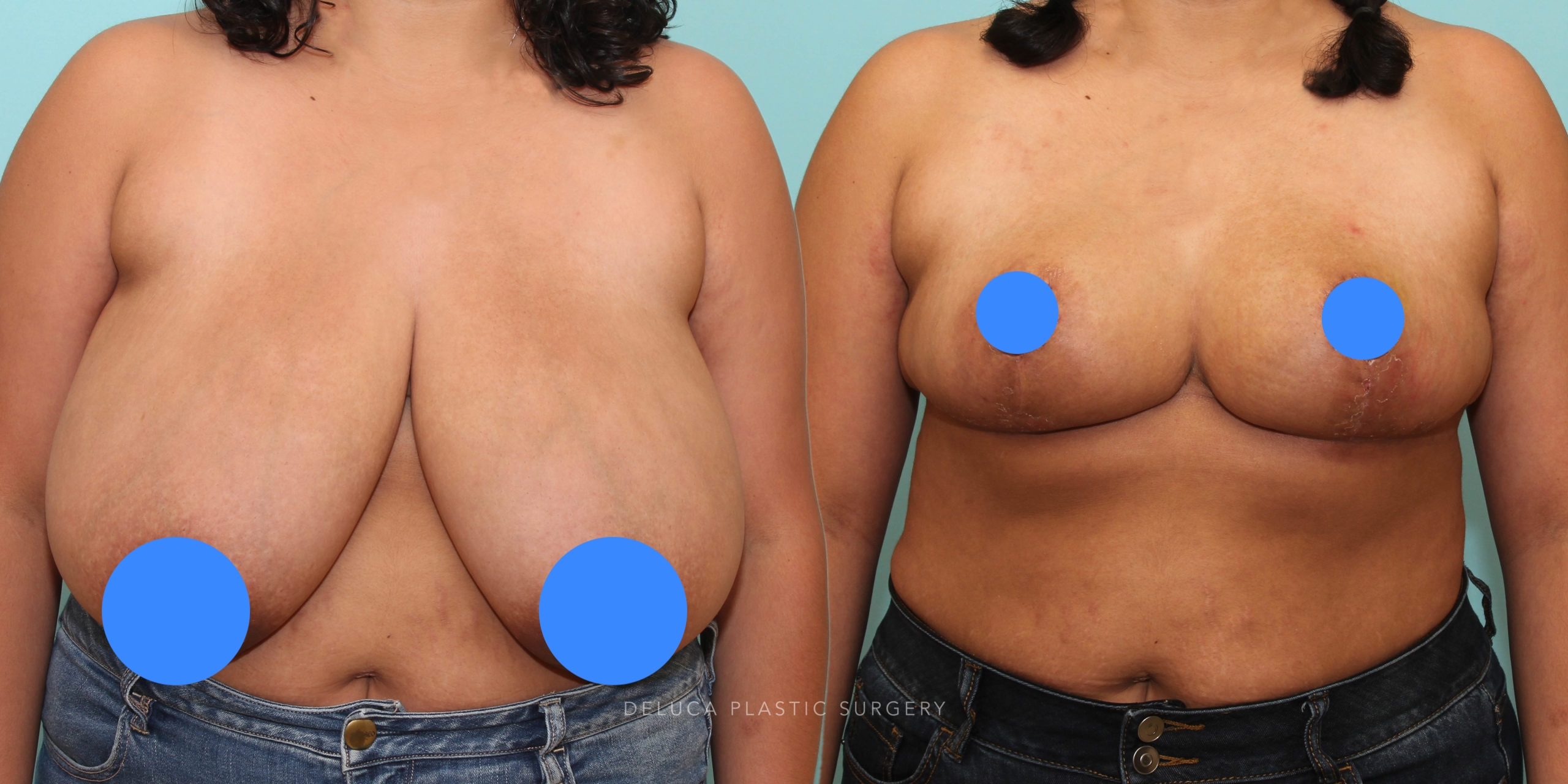
Size & Weight
Excess breast tissue, fat, and skin are removed to reduce heaviness and improve comfort.
Lift & Skin
The nipple is repositioned and loose skin is tightened to create a more lifted breast shape.
Proportion
The goal is a breast size and shape that better fits the shoulders, torso, and overall frame.
What to notice: breast reduction usually combines reduction and lift. The result should look smaller, lighter, lifted, and more balanced — not simply “deflated.”
Your Consultation
How your breast reduction plan is decided.
Your consultation includes a review of your symptoms, breast size, breast shape, skin quality, nipple position, medical history, activity limitations, and goals. The plan is designed around both relief and proportion.
If insurance coverage is being considered, the consultation may also include documentation of symptoms such as neck pain, back pain, shoulder pain, bra strap grooving, rashes, and limits on physical activity. Your surgeon will also estimate whether the amount of tissue to be removed may meet insurance criteria.
Some patients need a medically necessary reduction. Others want a cosmetic reduction, a breast lift, or a smaller reshaping procedure. The consultation helps determine which path fits your anatomy and goals.
Your Breast Reduction Options
The right option depends on breast size, symptoms, and shape.
Breast reduction is not one-size-fits-all. The best approach depends on how much volume needs to be removed, how much lifting is needed, whether insurance criteria apply, and whether the goal is relief, proportion, cosmetic reshaping, or a combination.
Insurance-Based Reduction
May be appropriate when large breasts cause documented symptoms and the expected tissue removal meets plan requirements.
Cosmetic Breast Reduction
May be appropriate when the patient wants smaller, lifted breasts but does not meet insurance criteria.
Breast Lift
May be better when the main concern is sagging and shape rather than breast weight or size.
Reduction + Side Liposuction
May help refine fullness near the armpit, side breast, or bra roll when appropriate.
Pricing & Insurance
Breast reduction pricing is individualized
Breast reduction cost depends on whether the procedure is insurance-based or cosmetic, the complexity of the reduction, anesthesia and facility needs, surgical time, and whether side liposuction or another procedure is included.
Insurance-Based Reduction
Coverage may require symptom documentation, conservative treatment history, photographs, body-surface-area calculations, and an estimated tissue-removal amount.
Cosmetic Breast Reduction
The current public pricing guide does not publish a standard total-cost range for cosmetic breast reduction. A personalized written quote is provided after consultation.
Personalized Quote
Your estimate reflects anatomy, symptoms, tissue-removal goals, incision pattern, operating setting, and any additional contouring.
Published prices are planning estimates, not binding quotes. Your written estimate controls and may vary with anatomy, procedure extent, implants or devices, and other individualized needs. Financing is subject to approval and independent lender terms.
Insurance Planning Tool
Breast Reduction Body Surface Area Calculator
Some insurance plans use body surface area and estimated tissue removal requirements when reviewing breast reduction coverage. This calculator can help estimate whether your planned reduction may meet common insurance thresholds, but final coverage depends on your insurance plan, symptoms, documentation, and medical review.
Recovery Timeline
What to expect after breast reduction.
Recovery after breast reduction depends on the amount of tissue removed, incision pattern, healing biology, and whether liposuction or another procedure is included. Most patients should expect swelling, bruising, tightness, and temporary activity restrictions.
First week
Rest, surgical bra support, incision care, swelling control, and early follow-up are the priority.
Weeks 2–3
Many patients gradually increase light activity, depending on healing and surgeon guidance.
Weeks 4–6+
Exercise, lifting, and upper-body strain resume only when cleared by your surgeon.
Months later
Swelling improves, scars mature, and the final breast shape continues to settle.
Honest Guidance
When breast reduction may not be the right choice.
Breast reduction can be life-changing for the right patient, but it is not the best answer for every breast concern. Good planning means being honest about insurance rules, scar tradeoffs, breast size goals, and whether a lift or cosmetic reshaping may be more appropriate.
Who may not be a good candidate?
Patients with active nicotine use, unstable weight, certain medical risks, unrealistic expectations, or plans for major weight change may need to wait or consider another option.
Tradeoffs to consider
Breast reduction involves scars, swelling, temporary activity restrictions, possible sensation changes, and the possibility that insurance may not approve coverage.
When surgery may not be worth it
If the main concern is mild sagging without heaviness, a breast lift may be more appropriate than a full breast reduction.
Our goal is not to remove as much tissue as possible. It is to help you choose a breast size and shape that improves comfort, proportion, and long-term satisfaction.
Risk Transparency
What can go wrong — and how we plan for it.
Every surgical procedure carries risk. Breast reduction planning focuses on reducing risk through careful patient selection, incision planning, tissue handling, postoperative support, and close follow-up.
- Delayed healing: Tension, medical factors, nicotine use, and tissue quality can affect incision healing.
- Scarring: Scars are expected after breast reduction and mature gradually over time.
- Sensation changes: Nipple or breast sensation may temporarily or permanently change.
- Asymmetry: Breasts are rarely identical before or after surgery; the goal is improved balance.
- Breastfeeding changes: Breastfeeding may still be possible for some patients, but it cannot be guaranteed.
- Revision surgery: Uncommon, but possible if healing, shape, or symmetry concerns persist.
Related Procedures
Other procedures commonly compared with breast reduction.
Breast reduction is often compared with breast lift, breast augmentation, and body contouring options. The best plan depends on whether your main concern is size, weight, sagging, proportion, or combined breast and body changes. Compare all breast enhancement options.
Breast Lift
Best when the main issue is sagging or low nipple position without significant breast weight.
Learn about breast lift →Breast Augmentation
Best when the main issue is volume loss or smaller breast size rather than heaviness.
Learn about breast augmentation →Mommy Makeover
Combines breast surgery with tummy tuck, liposuction, or body contouring when several areas need correction.
Learn about mommy makeover →Pricing Guide
Compare cosmetic surgery pricing guidance, financing, and procedure-specific cost factors.
View pricing guidance →Clear, Honest Guidance
Breast Reduction FAQ
What does breast reduction surgery help improve?
Breast reduction reduces breast size and weight by removing excess breast tissue, fat, and skin. It may help improve neck pain, back pain, shoulder pain, bra strap grooving, skin irritation, activity limitations, and breast proportion.
Will insurance cover breast reduction surgery?
Insurance coverage depends on your insurance plan, symptoms, medical documentation, conservative treatment history, and estimated tissue removal requirements. Many plans require evidence of medical necessity.
How do I qualify for breast reduction insurance coverage?
Qualification often depends on symptoms such as back pain, neck pain, shoulder pain, rashes, bra strap grooving, and activity limitation, along with whether the expected tissue removal meets plan criteria.
What is the Schnur scale for breast reduction?
The Schnur scale is a body surface area-based guideline sometimes used by insurance companies to estimate how much breast tissue must be removed for breast reduction surgery to be considered medically necessary.
Is breast reduction the same as a breast lift?
No. Breast reduction removes breast tissue, fat, and skin to reduce size and weight. A breast lift reshapes and raises the breast without necessarily reducing volume. Most breast reductions include lifting as part of the procedure.
Will breast reduction make my breasts lifted?
Yes. Breast reduction usually includes reshaping the breast and repositioning the nipple to a higher, more balanced position while reducing breast size and weight.
What incision pattern is used for breast reduction?
Common incision patterns include periareolar, vertical or lollipop, and inverted-T or anchor incisions. The best approach depends on breast size, sagging, skin quality, and tissue removal needs.
How long is breast reduction recovery?
Many patients return to light daily activity within one to two weeks, but exercise, heavy lifting, and upper-body strain are usually restricted for several weeks.

