
Tuberous Breast Correction in Albany NY
Tuberous Breast Correction in Albany NY
Correcting constricted breast shape, puffy areolas, asymmetry, and breast proportion.
Tuberous breast correction is a customized breast surgery designed to improve breast constriction, narrow breast shape, high breast fold position, enlarged or puffy areolas, breast asymmetry, and underdeveloped lower-pole fullness.
Real Patient Results
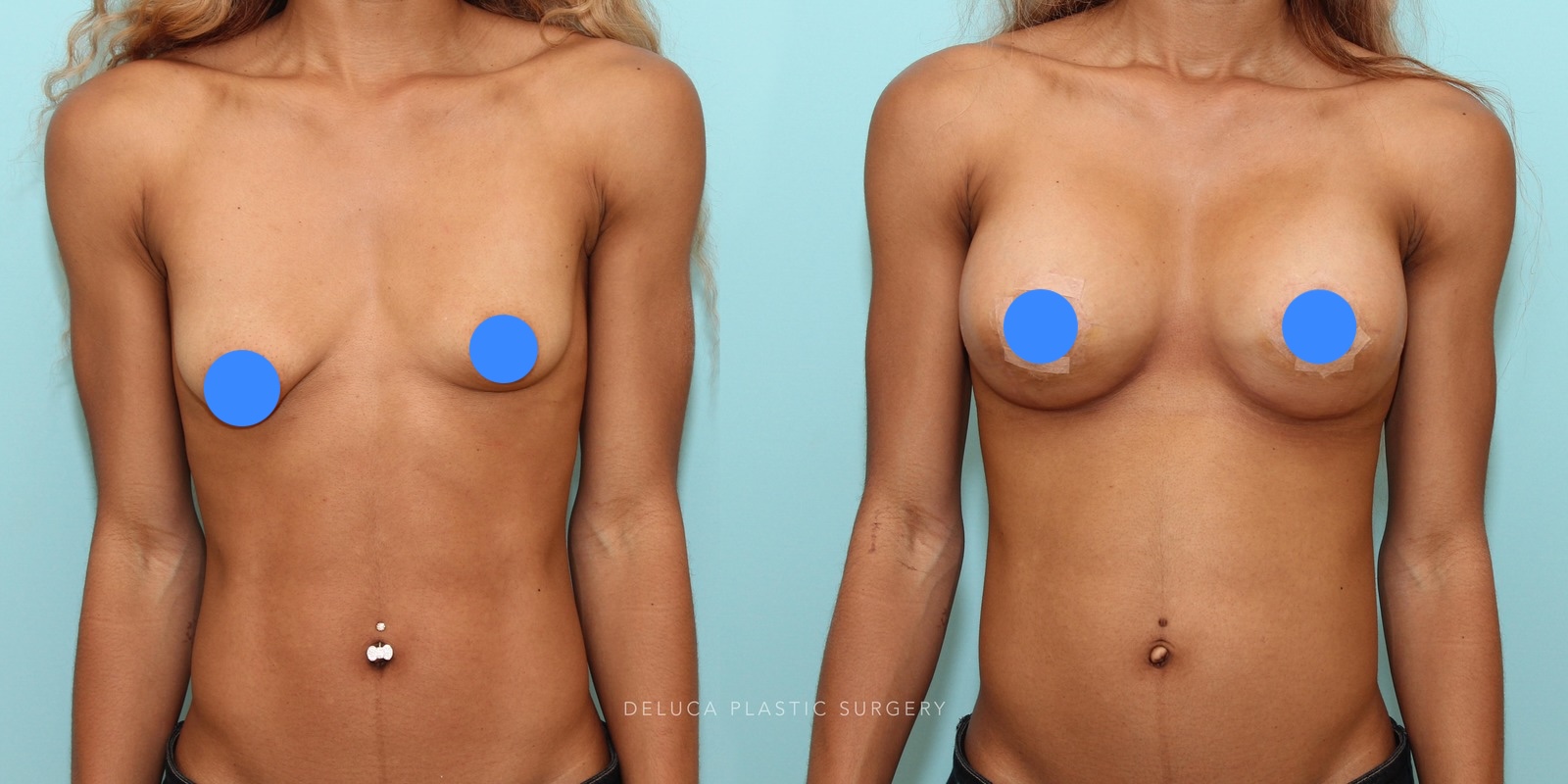
What this tuberous breast correction before-and-after shows.
Compare how much of the breast fills out below the areola and how the lower breast curves into the fold. Then look at the contour around each areola and how the two breast outlines relate to one another.
Tuberous Breast Correction Patient Reviews
Selected patient experiences shared on Google and RealSelf.
Our Commitment to Authentic Reviews
The patient reviews featured on our website reflect genuine experiences shared by actual patients. We do not pay patients or offer discounts, gifts, or other incentives in exchange for reviews. We believe honest, voluntary feedback is the most meaningful reflection of the care we provide.
“Realself helped me a lot when I was deciding on a doctor so I decided to write my experience to help others.”
“For my entire life I have struggled with the appearance of my breast.”
“Everyone with tuberous breasts knows the embarrassment and confusion that comes along with it.”
Selected excerpts. Individual experiences, recovery, and results vary. See all patient reviews.
Your Consultation
Clear diagnosis and a plan built around your anatomy.
Tuberous breasts, also called tubular or constricted breasts, arise from differences in breast development and may affect one or both breasts.
During consultation, your surgeon will evaluate breast shape, breast width, fold position, areola size, nipple position, tissue constriction, asymmetry, and your goals.
Pregnancy and breastfeeding plans are also part of the conversation. The pregnancy and breastfeeding questions below explain timing and nursing considerations.
Some patients have mild constriction and need a focused correction. Others have significant asymmetry or underdevelopment that requires more advanced planning. The goal is to explain the tradeoffs clearly before surgery.
Your Options
Tuberous breast correction is not one-size-fits-all.
Not every patient needs implants. The combination depends on the degree of constriction, tissue volume, areola size, asymmetry, skin quality, and your goals.
Tissue Release
Constricted breast tissue may be released to help the lower breast expand and soften.
Breast Implants
Implants may restore volume and help improve breast base width, projection, and proportion.
Areola Reduction
Enlarged or puffy areolas may be reduced as part of the same incision pattern.
Breast Lift
A lift may be needed when nipple position, skin laxity, or breast shape requires repositioning.
Fat Grafting
Fat transfer may be considered for selected contour refinements or soft-tissue blending.
Staged Surgery
More complex cases may benefit from staged correction rather than trying to do everything at once.
Typical Investment Range
How much does tuberous breast correction cost?
The current estimated total surgical cost is $6,305–$14,360+. The plan may include tissue release, areola reduction, implants, lift techniques, fat grafting, or different work on each breast.
Published Financing Example
$144.31–$328.67/month for 60 months*
Available only to qualified patients under independent lender terms.
Published prices are planning estimates, not binding quotes. Your written estimate controls and may vary with anatomy, procedure extent, implants or devices, and other individualized needs. Financing is subject to approval and independent lender terms.
Recovery Timeline
What to expect after tuberous breast correction.
Recovery depends on whether your surgery includes implants, tissue release, areola reduction, breast lift, fat grafting, or staged correction. Most patients should expect swelling, tightness, soreness, and gradual settling of breast shape over time.
First Few Days
Rest, support garments, swelling control, and early follow-up are the focus.
1–2 Weeks
Many patients resume light daily activity depending on healing and procedure extent.
Several Weeks
Exercise and upper-body strain are restricted until cleared by your surgeon.
Months Later
Shape, symmetry, scars, and implant position continue to mature and settle.
Candidacy
When correction may need to wait.
Unstable health, active nicotine use, unrealistic expectations, or unwillingness to accept scars or staged planning may make surgery unsuitable. If the concern is mild, a smaller procedure or waiting may be preferable.
Risk Transparency
What can go wrong — and how we plan for it.
Every breast surgery carries risk. Tuberous breast correction also has unique challenges because constricted breast tissue, implant selection, areola reduction, and asymmetry correction all affect the final result.
- Residual asymmetry: Breasts are rarely identical before or after surgery.
- Scarring: Areola reduction, lift, or fold adjustments require incisions.
- Implant-related risks: Capsular contracture, malposition, rippling, rupture, or revision may occur when implants are used.
- Shape limitations: Severe constriction or tissue deficiency may limit how much can be corrected in one operation.
- Sensation changes: Temporary or lasting nipple or breast sensation changes can occur.
- Breastfeeding changes: Future breastfeeding cannot be guaranteed after any breast surgery.
- Revision possibility: Some cases may need staged correction or later refinement.
What If My Results Need Fine-Tuning?
Even with careful surgical planning and meticulous technique, healing varies from person to person, and occasionally a result may benefit from additional refinement. We believe that caring for our patients extends beyond the initial procedure.
When a revision of our own surgical work is appropriate, we typically waive the surgeon’s fee. Many minor refinements can be performed in our office without additional facility or anesthesia charges. If a revision requires an operating room, patients are generally responsible only for the associated facility and anesthesia fees.
Our goal is to work closely with every patient throughout recovery and make reasonable efforts to achieve the best possible result.
Related Procedures
Other breast procedures commonly compared with tuberous breast correction.
The best procedure depends on whether the main concern is constriction, volume, sagging, asymmetry, prior implant concerns, or future pregnancy and breastfeeding plans.
Breast Augmentation
For patients whose main concern is volume and proportion.
Breastfeeding After Breast Augmentation
Helpful if you are considering implants before or after pregnancy, breastfeeding, or future children.
Breast Lift
For patients with low nipple position, sagging, or stretched skin.
Breast Lift With Implants
For patients who need both better position and added fullness.
Breast Implant Revision
For patients correcting prior implant results, malposition, or asymmetry.
Clear, Honest Guidance
Tuberous Breast Correction FAQ
Can I breastfeed after tuberous breast correction?
Breastfeeding may be possible, but neither correction nor implants can guarantee milk supply. The underlying breast development and the surgery both matter; discuss future nursing plans before choosing treatment.
Should I wait until after pregnancy for tuberous breast correction?
If pregnancy is planned soon, waiting may avoid changes to a newly corrected breast. If you choose surgery earlier, understand that pregnancy and breastfeeding may alter shape and create a need for later revision.
Why are my areolas puffy?
In tuberous breasts, a tight breast base can push tissue forward into the areola. Treatment may combine release of the constriction with areola reshaping rather than addressing areola size alone.
Will implants alone correct a tuberous breast shape?
Not always. Adding volume without addressing constriction, fold position, or areola shape may leave the underlying problem. The plan may include tissue release, lifting, areola correction, or other reshaping.
Will both breasts need the same procedure?
Not necessarily. One breast may have more constriction, less volume, or a different fold or nipple position. Different work on each side may improve balance, although perfectly identical breasts cannot be guaranteed.
Why might correction be staged rather than completed at once?
Severe constriction or limited tissue can make a single operation less predictable. Staging allows changes to be made in steps when that is more appropriate for the tissue and the desired result.
What happens if I need a revision after surgery?
Occasionally, a surgical result may benefit from fine-tuning after healing is complete. When a revision of our own work is appropriate, we typically waive the surgeon’s fee. Many refinements can be performed in the office; operating-room revisions generally involve facility and anesthesia fees.

