
Transgender Top Surgery in Albany NY
Transgender Top Surgery in Albany NY
Chest Surgery Planned Around Your Anatomy, Goals, And Identity.
Transgender top surgery includes chest masculinization for FTM and non-binary patients and breast augmentation or chest feminization for MTF patients. The goal is to create a chest contour that feels more aligned, natural, and proportionate while respecting safety, anatomy, scars, recovery, and long-term goals.
Chest masculinization may reduce breast tissue, reshape the chest, and reposition or resize the nipple-areola complex.
Chest feminization may use breast implants, fat grafting, or breast augmentation planning to improve shape and volume.
Technique depends on anatomy, skin quality, chest size, nipple position, goals, and scar preferences.
Consultation is private, direct, and focused on clear surgical guidance without pressure.
Real Patient Results
What top surgery before-and-after photos can help show.
Before-and-after photos can help patients understand chest contour, nipple position, scar placement, breast or chest shape, and what realistic improvement may look like. Results vary depending on starting anatomy, skin quality, procedure type, healing, and surgical goals.
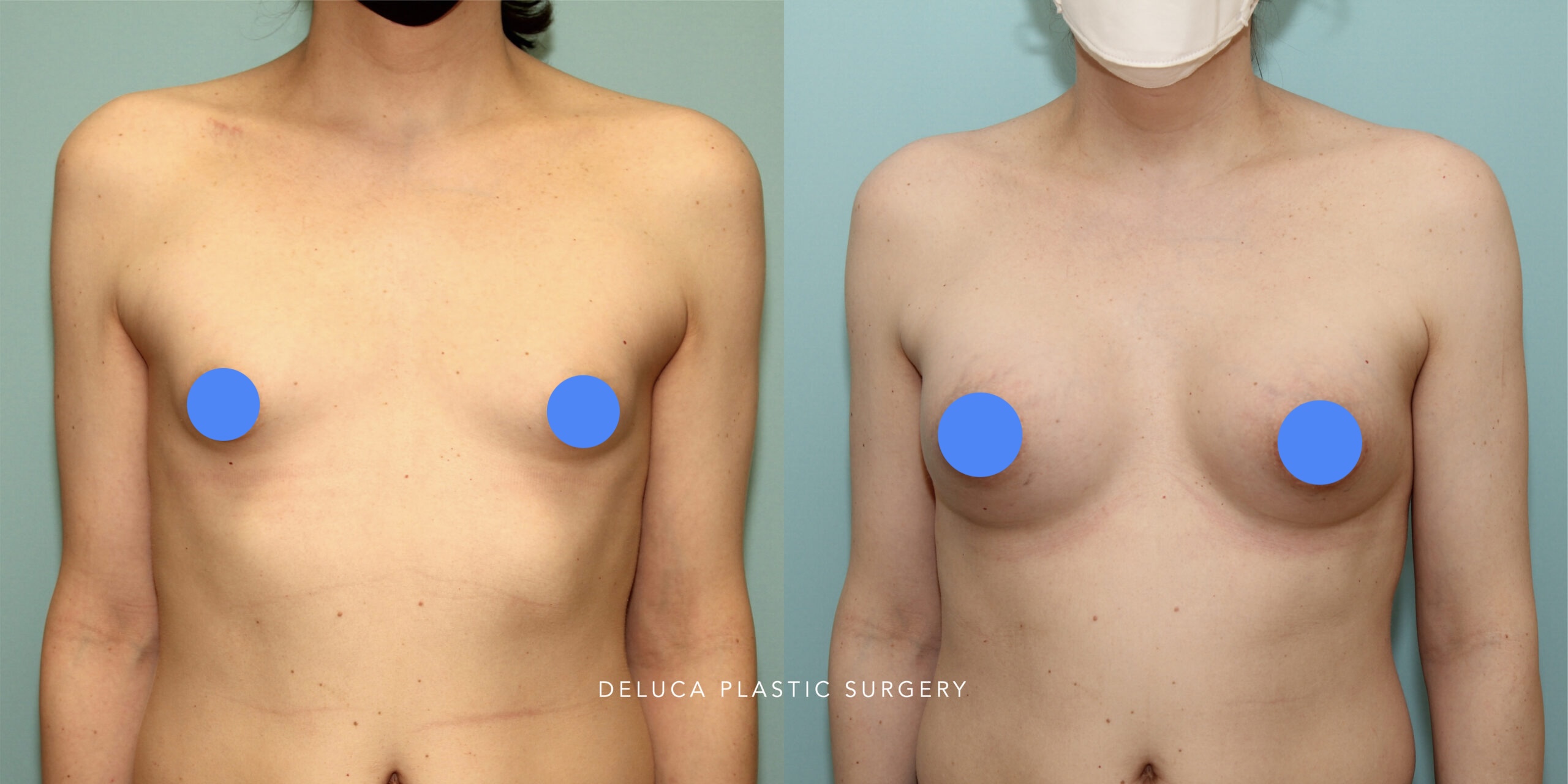
Contour
FTM/NB surgery focuses on flatter, more masculine or neutral chest contour. MTF surgery focuses on breast volume, shape, and proportion.
Scars
Scar location depends on the technique. FTM/NB surgery may involve periareolar, keyhole, or double-incision patterns. MTF surgery usually uses breast augmentation incisions.
Proportion
The best plan is not one-size-fits-all. Results should fit the patient’s frame, anatomy, and goals.
What to notice:
The most important comparison is not only size change — it is the relationship between chest shape, nipple position, scars, and overall body proportion.
Your Options
FTM/NB chest masculinization and MTF chest feminization.
Top surgery is not a single procedure. The right plan depends on identity, anatomy, tissue characteristics, scars, recovery, and the desired chest shape.
FTM/NB Keyhole or Periareolar
May be considered for smaller chests with good skin elasticity and limited excess skin. Scarring may be more limited, but not every patient is a candidate.
FTM/NB Double Incision
Often used when more tissue and skin must be removed. This approach allows more control over chest contour and nipple-areola position.
MTF Breast Augmentation
Uses implants, and sometimes fat grafting, to improve breast volume, projection, and feminine chest proportion.
Revision or Staged Planning
Some patients need revision, staged contouring, scar revision, fat grafting, or additional refinement depending on healing and goals.
Typical Investment Range
How much does transgender top surgery cost?
Top surgery pricing depends on the procedure type, surgical technique, whether implants or fat grafting are used, anesthesia, facility fees, garments, prescriptions, and whether any additional contouring or revision work is needed.
FTM/NB chest masculinization and MTF breast augmentation have different planning requirements, so the most accurate estimate is provided after consultation.
Financing may be available for qualified patients through independent financing providers. Monthly payment examples depend on approval, procedure cost, term length, and provider terms.
Recovery Timeline
What to expect after top surgery.
Recovery depends on the procedure performed. FTM/NB patients may wear a compression wrap or garment, may have drains depending on technique, and must limit lifting and upper-body activity. MTF patients may wear a surgical bra or support garment and follow implant-positioning and activity instructions.
Rest, swelling, soreness, garment use, incision care, and early follow-up.
Light activity gradually increases, but lifting and strenuous upper-body movement remain limited.
Exercise, lifting, and chest strain resume only when cleared by your surgeon.
Swelling improves, scars mature, and the final contour continues to settle.
Honest Guidance
When top surgery may need more planning, staging, or waiting.
Top surgery can be life-changing for the right patient, but it still requires careful planning. Good surgical counseling means being honest about scars, sensation, recovery, revision risk, anatomy, and whether a staged or delayed approach may be safer or more predictable.
Who may need more preparation?
Patients with active nicotine use, unstable weight, significant medical risk, unclear goals, limited recovery support, or expectations that exceed what surgery can safely deliver may need more planning before surgery.
Tradeoffs to consider
Top surgery may involve permanent scars, sensation changes, swelling, asymmetry, implant considerations, nipple healing issues, or revision surgery.
When staging may make sense
Staging may be considered for complex anatomy, revision cases, larger contour changes, fat grafting, or when safety and predictability are better served in steps.
Good planning means being clear about both the goal and the tradeoffs.
The best plan is one that fits your identity, anatomy, recovery capacity, and long-term expectations.
Risk Transparency
What can go wrong — and how we plan for it.
Every surgical procedure carries risk. Top surgery risks depend on the specific procedure, anatomy, incision pattern, implant use, nipple technique, and healing biology.
- Bleeding or fluid collection: Compression, drains when used, and follow-up help monitor healing.
- Delayed healing: Incision care and activity restrictions help reduce wound-healing problems.
- Scarring: Scars are permanent and mature gradually over time.
- Sensation changes: Numbness, hypersensitivity, or altered nipple/chest sensation can occur.
- Nipple or areola concerns: FTM/NB procedures may involve nipple grafting or repositioning, which carries specific healing risks.
- Implant-related issues: MTF breast augmentation may involve implant position, asymmetry, capsular contracture, rupture, or revision considerations.
- Revision surgery: Revision may be needed for contour, scars, asymmetry, nipple position, or implant-related concerns.
Related Procedures
Procedures commonly compared with or related to top surgery.
Top surgery planning may overlap with breast surgery, chest contouring, liposuction, fat grafting, or revision procedures depending on anatomy and goals.
Breast Augmentation
Often relevant for MTF chest feminization or implant-based breast volume restoration.
Learn about breast augmentation →Breast Lift
May be discussed when breast position, skin envelope, or nipple position affects feminizing chest surgery goals.
Learn about breast lift →Liposuction
May help refine chest, axillary, or body contour in selected patients.
Learn about liposuction →Breast Implant Revision
May be relevant for patients who already have implants and want size, shape, or position changes.
Learn about implant revision →Clear, Honest Guidance
Transgender Top Surgery FAQ
What is transgender top surgery?
Transgender top surgery is chest surgery designed to create a chest contour that better aligns with a patient’s goals. It may include FTM/NB chest masculinization or MTF breast augmentation/chest feminization.
What is FTM or non-binary top surgery?
FTM or non-binary top surgery usually removes breast tissue and excess skin to create a flatter, more masculine or neutral chest. Nipple and areola size or position may also be adjusted.
What is MTF top surgery?
MTF top surgery usually refers to breast augmentation or chest feminization using implants, fat grafting, or a combination approach to improve breast volume, shape, and proportion.
What are the main FTM/NB top surgery techniques?
Common techniques include keyhole, periareolar, and double-incision approaches. The best technique depends on chest size, skin elasticity, nipple position, and patient goals.
Will I have scars after top surgery?
Yes. Scar location depends on the procedure. FTM/NB surgery may involve scars around the areola or across the chest. MTF breast augmentation scars are often placed around the areola or under the breast fold.
Will top surgery affect sensation?
Temporary or long-term sensation changes can occur after top surgery. Risk depends on the technique, tissue movement, nipple approach, implant use, and individual healing.
How long is top surgery recovery?
Recovery varies by procedure, but patients typically restrict lifting, exercise, and strenuous upper-body activity for several weeks. Compression wraps, bras, or garments may be used depending on the surgery.
How much does transgender top surgery cost?
Cost depends on procedure type, technique, anesthesia, facility fees, implants if used, garments, prescriptions, and whether additional contouring or revision work is needed. A personalized quote is provided after consultation.

